Toner vs. Ink: Why Laser Printers Are Often Better for Text-Heavy Offices
February 12, 2026
Tech Team at Synglotechnology

Understanding Toner and Ink: Core Differences
In the quest for optimal printing solutions within text-heavy office environments, laser printers frequently emerge as the favored option over their inkjet counterparts. This preference is not merely a matter of personal choice but is grounded in substantial technical and commercial reasons. For businesses where document quality, cost management, and operational efficiency matter significantly, understanding the differences between toner and ink is crucial.
Toner is a dry, powder-based substance used in laser printing. Composed of finely ground plastic particles and coloring agents, toner adheres to paper through electrostatic attraction and is then permanently fused by heat and pressure, resulting in a sharp, resilient image or text. In contrast, inkjet printers use a liquid form of ink, which is ejected onto paper via numerous tiny nozzles. While exceptional for producing high-quality color images due to its ability to blend seamlessly, ink's performance wavers when tasked with large volumes of text, being susceptible to bleeding and less distinct edges, particularly on lower-grade paper.
Advantages of Laser Printers for Text-Heavy Offices
Laser printers deliver impeccable text clarity, yielding professional documents essential for business communications. From contracts and reports to legal documents, the precision of laser technology surpasses inkjets, eliminating concerns about smudging, bleeding, or inconsistent quality.
Laser printers are engineered for speed, a crucial variable in high-volume settings. They can churn out anywhere from 20 to over 50 pages per minute, largely outperforming inkjets. Such efficiency ensures that document production remains streamlined, minimizing delays during critical business hours.
While the acquisition costs of laser printers might exceed those of inkjets, the operational expense tied to toner usage is typically lower. Toner cartridges have higher capacity, often printing thousands of pages—substantially reducing the cost-per-page, pivotal for businesses processing large volumes of text. Unlike ink, toner doesn’t suffer from drying out. This attribute negates wastage due to infrequent printer use—a common pitfall with inkjet printers leading to increased consumable costs and downtime due to maintenance.
With fewer moving parts and a robust construction, laser printers demand less frequent service, reducing downtime and operational disruption. Prints produced via toner are remarkably resistant to smudging, fading, and moisture, a critical attribute for preserving fundamental documents over time. This durability is particularly beneficial for enterprises needing long-lasting, archival-quality prints.
Products You May Need
Explore products related to this guide
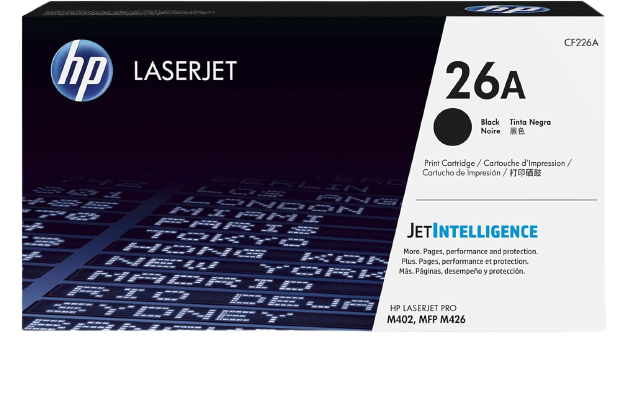
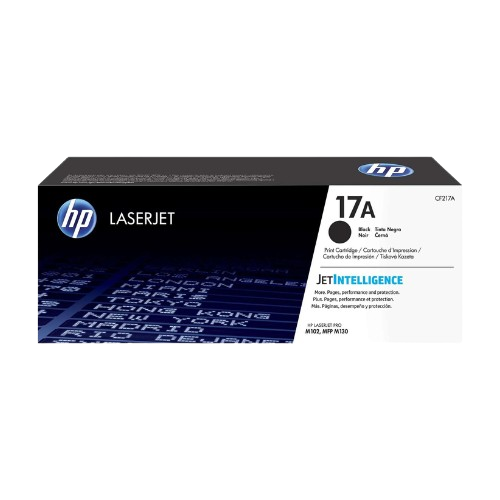
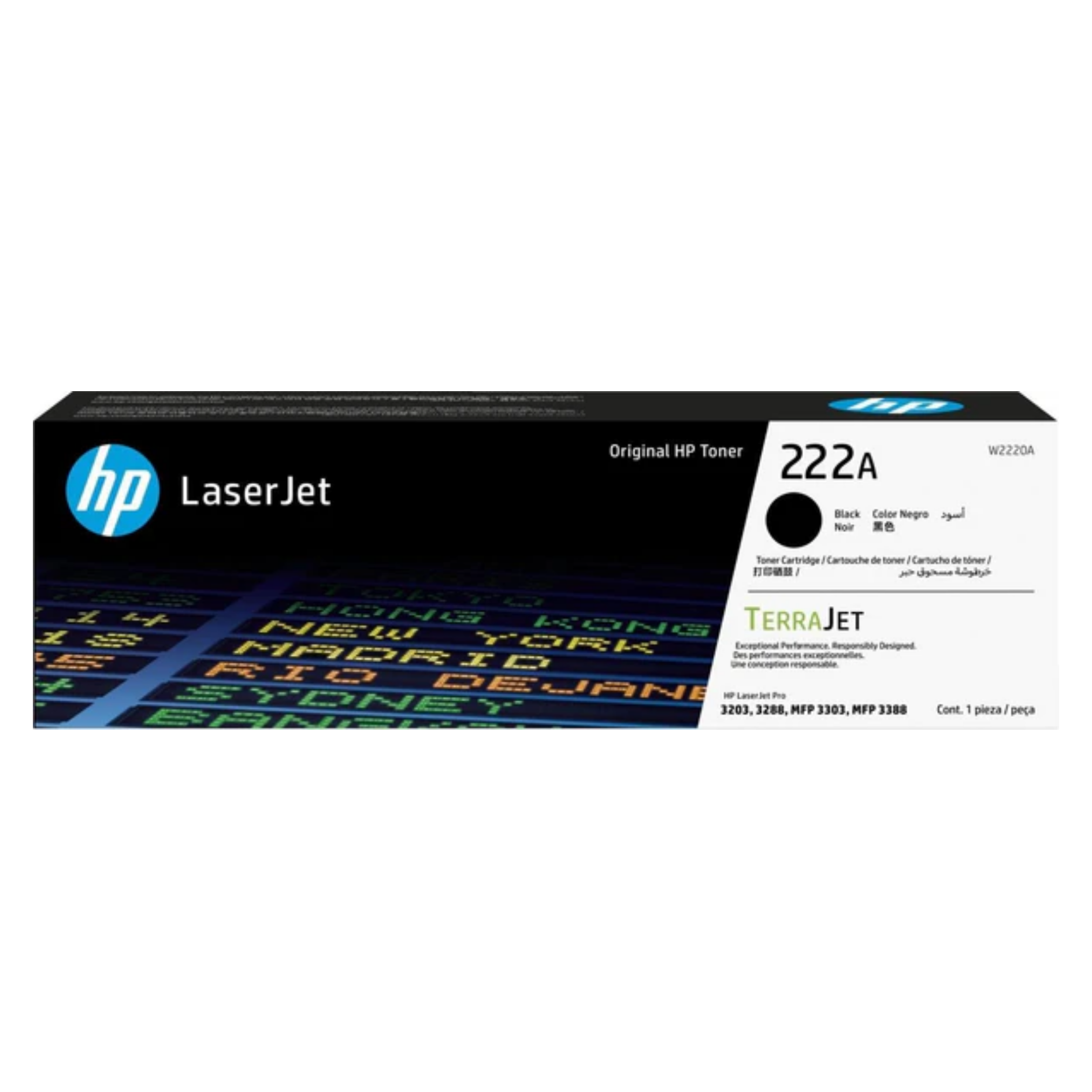
Hp 222A Toner Cartridge
color toner
- -Colors: Black, Cyan, Magenta, Yellow
- -Type: Original
- -Cartridge Models: W2220A (Black), W2221A (Cyan), W2222A (Yellow), W2223A (Magenta)
$160.00In Stock