Can You Run a Laser Printer on a Small Solar Inverter?
January 30, 2026
Product Review Team

Technical Considerations
Power Requirements of Laser Printers
Laser printers are widely used for their efficiency and high-quality output, but they have specific power needs that must be understood before integrating them with a solar inverter system. Unlike inkjet printers, laser printers require a high power draw during start-up—often peaking with their fuser processes. This spike can reach several hundred to a couple of thousand watts, depending on the size and model of the printer. When connecting a laser printer to a solar inverter, the inverter must support this peak power draw without overloading. Inverters are sized based on their continuous power rating and their peak power handling capability, which is critical for devices with fluctuating energy needs.
Inverter Specifications
A small solar inverter typically has limited capacity, often between 150W to 500W continuous power rating, with a slightly higher surge capacity. For a laser printer, the inverter must be capable of handling its peak demand comfortably. A small office laser printer might have a start-up power requirement near 1000W, significantly higher than what most small inverters can handle.
Commercial Aspects
Cost Implications
Running a laser printer on a solar inverter can seem appealing for energy savings, but any potential savings must be weighed against the cost of upgrading to a suitable inverter. Additionally, there could be costs related to energy storage solutions if print jobs occur during low solar production periods. A reliable power source via a properly sized inverter could lead to consistent operational costs, as opposed to risking power interruptions that could waste printed materials or cause malfunctions.
Risk and Reliability
System Reliability
Using a small solar inverter with inadequate capacity for a laser printer can result in frequent overloads, risking both equipment damage and operational interruptions. This could lead to increased maintenance costs and downtime, significantly impacting productivity. Common mistakes include underestimating power needs and ignoring surge capacity, which can lead to inverter tripping or failure.
Products You May Need
Explore products related to this guide
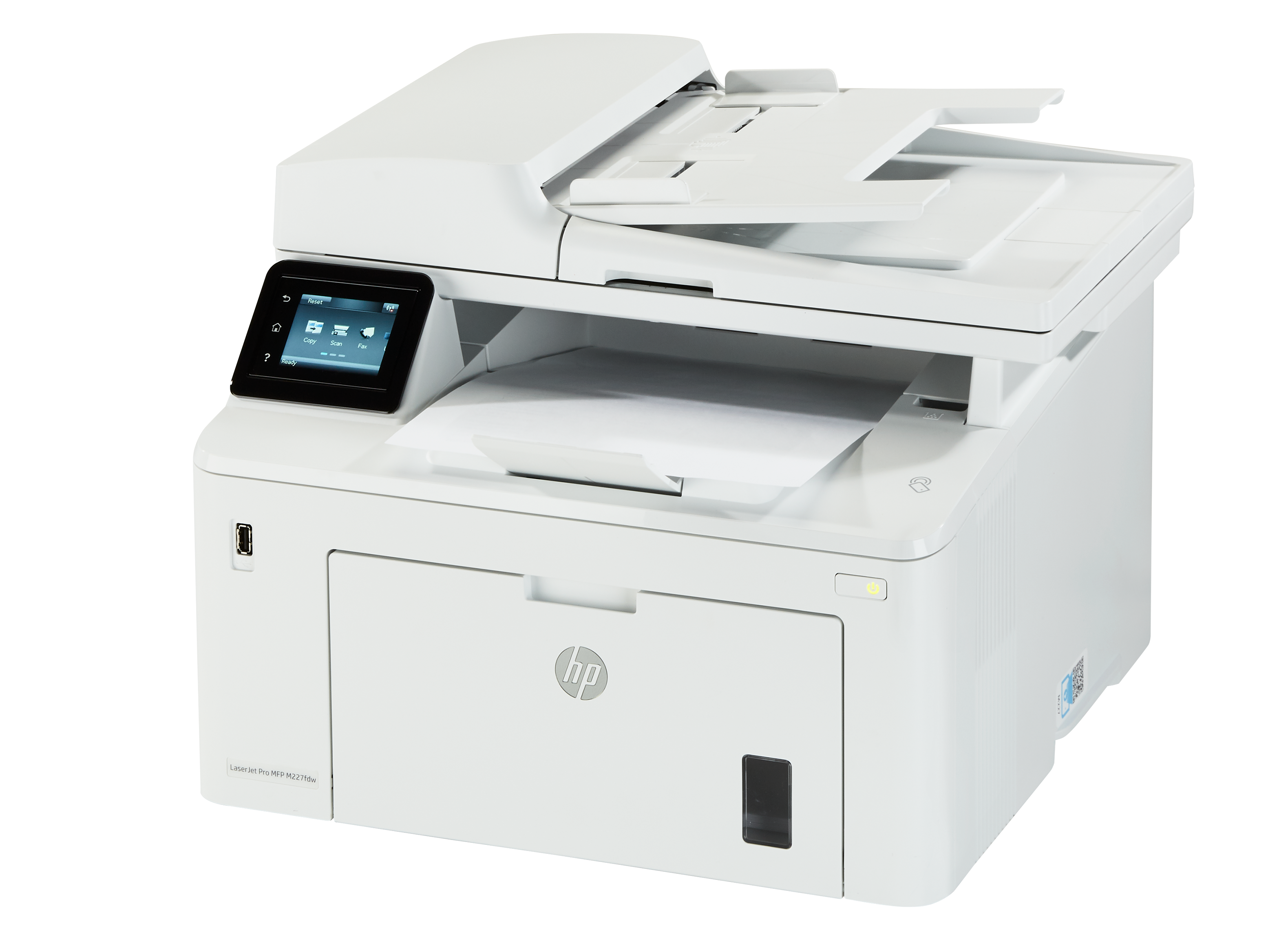
HP LaserJet Pro 227FDW MFP
printer
- -Print Speed: Up to 28–30 ppm
- -Functions: Print, Scan, Copy, Fax
- -Duplex: Automatic
$690.00In Stock
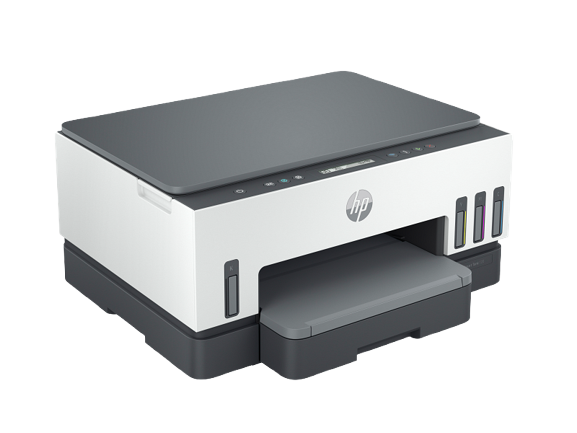
HP Smart Tank 515 Printer
printer
- -Print Speed (Black): 11 ppm
- -Print Speed (Color): 5 ppm
- -Monthly Duty Cycle: 1000 pages
$264.00In Stock
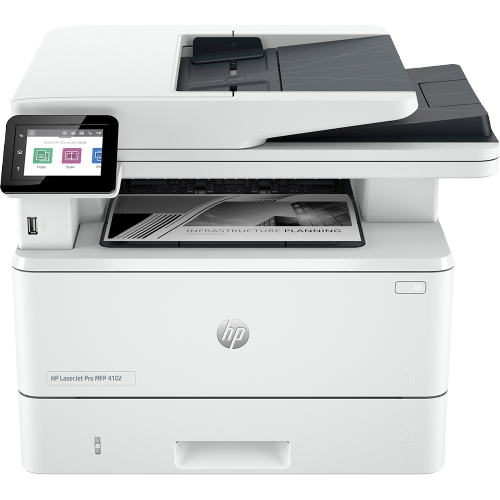
HP LaserJet MFP 4103fdn
printer
- -Print Speed: Up to 40 ppm
- -Functions: Print, Scan, Copy, Fax
- -Duplex: Automatic
$569.80In Stock