How to Safely Shut Down Your Office Printer
February 2, 2026
Product Review Team

Introduction
In environments where businesses face frequent power interruptions like load shedding, safely shutting down office printers is crucial to safeguard equipment, maintain operational efficiency, and reduce downtime costs. This comprehensive guide delves into the importance of proper printer shutdown and the steps involved in implementing an effective strategy.
Importance of Safe Printer Shutdown
Office printers, whether laser or inkjet, are sophisticated electronic devices sensitive to sudden power losses. Proper shutdown procedures prevent printer errors, data loss, and potential hardware damage. Moreover, unplanned shutdowns can abruptly interrupt printing tasks, resulting in incomplete work, thus affecting productivity and client satisfaction.
Technical Aspects of Printer Shutdown
Integrating an Uninterruptible Power Supply (UPS) system is vital. A UPS offers buffer time for orderly shutdown procedures, stabilizing power fluctuations to prevent data and hardware damage.
Why Use a UPS?
A UPS stabilizes power, allowing controlled shutdowns, preventing data loss, and protecting the printer from damage. It offers the chance to follow a shutdown sequence without rush:
1. Pause or Cancel Print Jobs: Halt ongoing tasks to prevent data issues. 2. Follow Manufacturer's Procedures: Use the printer's UI or software as recommended for shutdown.
Regularly update your printer's firmware to manage shutdowns effectively and perform routine maintenance checks to ensure system integrity.
Real-World Usage Scenarios
For small offices with a simple setup, a single UPS can support multiple printers, providing time for manual shutdowns — a cost-effective safeguard against downtime. On the other hand, high-volume printing businesses should consider scalable solutions like higher capacity UPS or backup generators to manage multiple devices, ensuring every shutdown follows structured protocols to meet deadlines.
Enterprise-level printers can benefit from automated power management systems that integrate with networks to execute swift shutdowns. Evaluate impacts on operations and establish robust service level agreements (SLAs) with vendors for power management.
Products You May Need
Explore products related to this guide
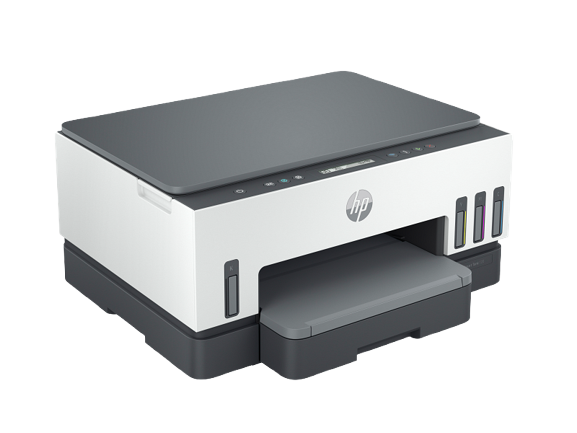
HP Smart Tank 515 Printer
printer
- -Print Speed (Black): 11 ppm
- -Print Speed (Color): 5 ppm
- -Monthly Duty Cycle: 1000 pages
$264.00In Stock

Canon i-SENSYS MF275dw Printer
printer
- -Print Speed: 29 ppm (A4)
- -Monthly Duty Cycle: 20,000 pages
- -Recommended Print Volume: 150-2,000 pages/month
$289.30In Stock