Best Toner Management for Shared Office Printers
January 21, 2026
Product Review Team

Introduction
Managing toner effectively in a shared office printing environment is crucial to control costs, reduce downtimes, and ensure optimal printer performance. This guide explores the technical and commercial facets of toner management for shared office printers, with decisive insights to help business owners make informed decisions.
Understanding Toner Cartridge Options
OEM, Compatible, and Remanufactured Cartridges are the primary types of toner cartridges available.
OEM Cartridges
Original Equipment Manufacturer cartridges are designed by the printer's manufacturer. They offer the highest reliability and performance but come at a significantly higher cost. Compatibility with proprietary technologies ensures optimal print quality and lower risk of printer damage.
Compatible Cartridges
Third-party produced cartridges mimic OEM specifications. While cheaper, they often suffer from inconsistent quality and higher variability in yield and reliability. Be aware of potential printer warranty implications when using these.
Remanufactured Cartridges
Reconditioned OEM cartridges offer affordability and are environmentally friendly. However, quality can be variable depending on the remanufacturer's processes, so due diligence is necessary.
Cost-Per-Page and Yield Considerations
Cost-Per-Page (CPP) and Yield are critical metrics that determine the total cost of ownership for printers.
Cost-Per-Page (CPP)
OEM cartridges often have a higher upfront cost but can provide a lower CPP due to reliable yield and less frequent replacements.
Yield
This refers to the number of pages a cartridge can print. High-yield cartridges are ideal for shared office environments to minimize interruptions. Ensure yield claims are based on standardized tests—usually the ISO/IEC 19752 for monochrome lasers.
Products You May Need
Explore products related to this guide
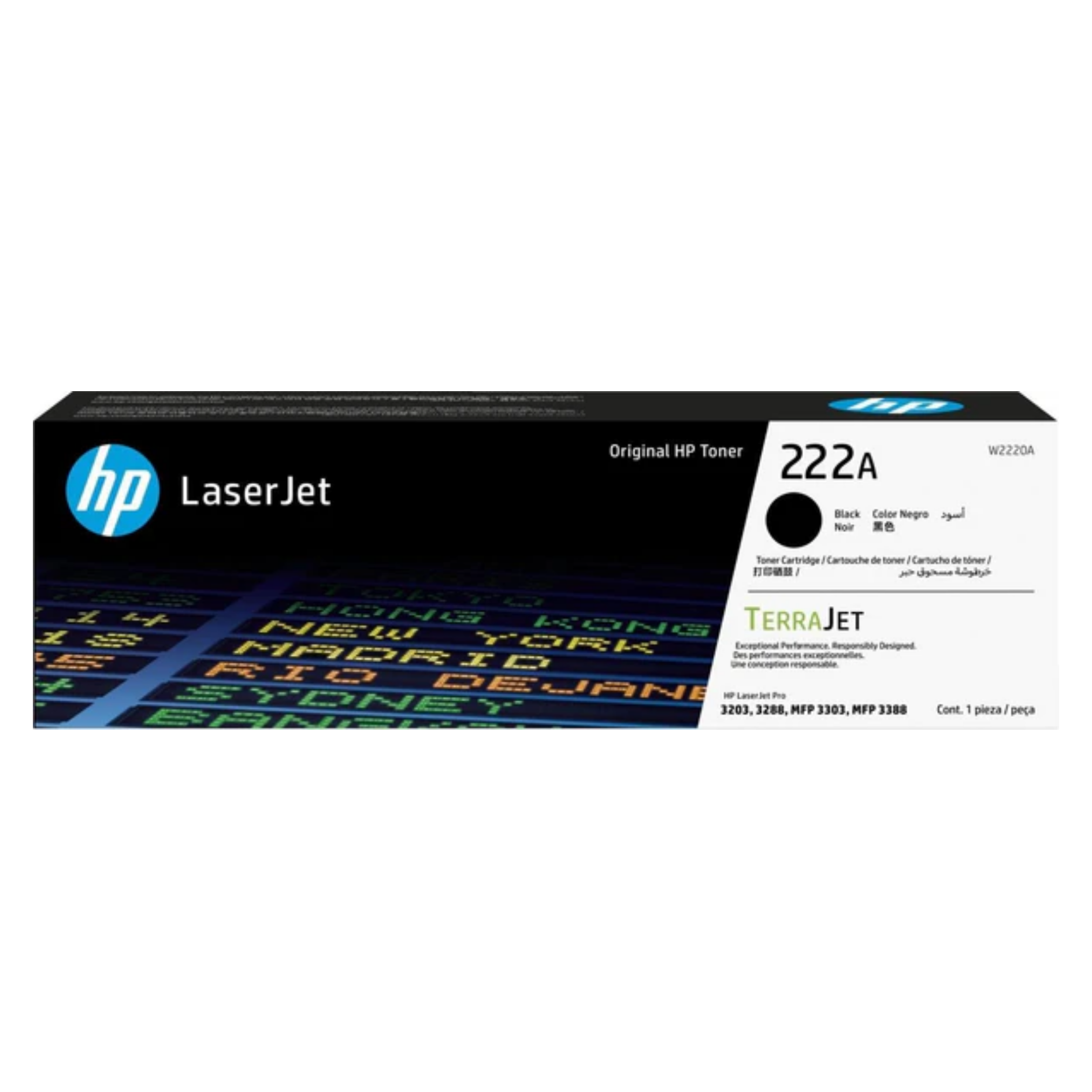
Hp 222A Toner Cartridge
color toner
- -Colors: Black, Cyan, Magenta, Yellow
- -Type: Original
- -Cartridge Models: W2220A (Black), W2221A (Cyan), W2222A (Yellow), W2223A (Magenta)
$160.00In Stock