How Printer Firmware Updates Affect Third-Party Toners
December 29, 2025
Product Review Team

Recent developments in printer technology have drawn attention to how firmware updates might affect operational choices, especially for businesses that depend on third-party toner and cartridge solutions. If you are overseeing office or enterprise-level printing solutions, you need a strategic understanding of these dynamics to prevent disruptions. Here is a precise analysis of how printer firmware updates impact third-party toners and the tactical decisions you face.
Technical Analysis: Mechanisms of Firmware Updates
A firmware update modifies the software that controls printer hardware. Manufacturers release these updates to introduce new features, improve performance, or enhance security. Importantly, they also frequently contain mechanisms aimed at ensuring consumer use of Original Equipment Manufacturer (OEM) supplies, potentially inhibiting third-party options.
Updates can include codes that detect non-OEM cartridges. This detection occurs through electronic chips that communicate with the printer to assess cartridge authenticity. OEM chips are specific to respective cartridge models, thus allowing devices to identify and potentially reject third-party alternatives.
Commercial Considerations: Balancing Cost and Reliability
OEM Cartridges: These come directly from the printer manufacturer and promise the best compatibility and quality assurance. However, the cost-per-page is relatively higher compared to non-OEM counterparts.
Compatible Cartridges: Produced by third parties, these alternatives mimic OEM designs and generally offer lower costs. However, they are more susceptible to issues after firmware updates, potentially leading to non-recognition by updated printers.
Remanufactured Cartridges: These are OEM cartridges that have been used, refurbished, and refilled. While sustainable and cost-effective, they face similar risks as compatible cartridges with respect to firmware incompatibility.
Risk Analysis: Potential Business Impact
Yield and Reliability Risks: Using third-party toners might significantly reduce printing costs in the short term. However, unpredictable firmware updates by OEMs could lead to increased downtime if non-OEM cartridges are rejected. For high-volume environments, this can translate into substantial operational delays and increased outsourcing print jobs, negating potential savings.
Products You May Need
Explore products related to this guide
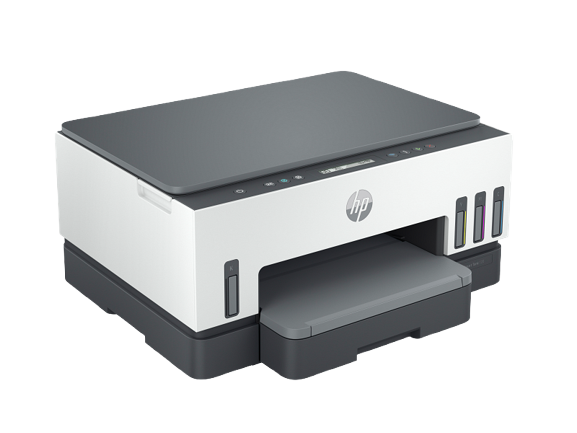
HP Smart Tank 515 Printer
printer
- -Print Speed (Black): 11 ppm
- -Print Speed (Color): 5 ppm
- -Monthly Duty Cycle: 1000 pages
$264.00In Stock

Canon i-SENSYS MF275dw Printer
printer
- -Print Speed: 29 ppm (A4)
- -Monthly Duty Cycle: 20,000 pages
- -Recommended Print Volume: 150-2,000 pages/month
$289.30In Stock